What You Actually Do Each Turn
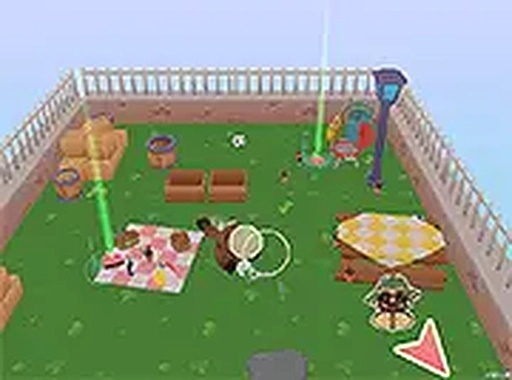
Puzzle Spread Strategy Online hands you a map and a single number to chase: a target spread percentage. Using click-and-drag controls, you add or remove nodes across the map. Every placement shifts the spread value, and the level ends when you hit the target exactly. Overshoot it, and you fail. The tension comes from the gap between where the spread currently sits and where it needs to land, with only a limited number of moves to close it.
Why Obstacles Change Your Approach
Later levels introduce special zones that alter how spread behaves and move limits that cap how many adjustments you can make. A zone might amplify the effect of nearby nodes or dampen it, so the same placement that worked on an open map can backfire inside a zone. You learn to read the board before touching it, because a single careless node can push the spread past the target with no moves left to correct it. [IMG_1]
Power-Ups as Precision Tools
Power-ups exist to fix the moments when your plan and the board disagree. They are not a free pass; using one at the wrong time wastes it. The smart play is to hold power-ups until an obstacle blocks the obvious solution, then apply them to reshape the spread in a controlled way. This keeps the game about foresight rather than reaction.
Who Gets the Most From It
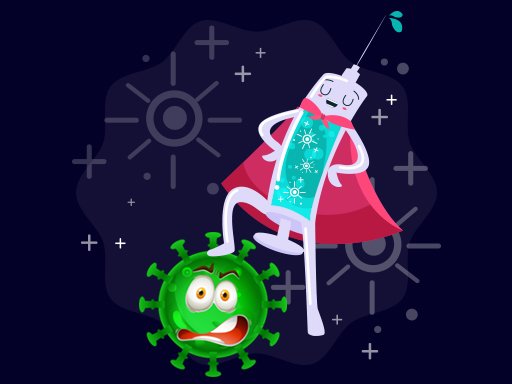
The cartoon-style presentation, simple controls, and absence of weapons or graphic content make this an easy recommendation for parents who want a logic-focused game for children. Adults who enjoy planning puzzles will find the later levels genuinely demanding. Sessions work in short bursts, and the difficulty curve is gentle enough that new players are not dropped into complex boards immediately.





Editorial Notes